The Collection / Theory of Knowledge
Theory of KnowledgeHistory as an Unnatural Act
Five lessons on History as an area of knowledge, ending with students interrogating a primary source they are personally implicated in — their own school's yearbook.
Five pages of thirty-one
The problem
History is the area of knowledge students think they already understand, which makes it the hardest one to teach in TOK. They arrive believing history is a settled list of things that happened, and that a historian's job is to report them accurately. Told that interpretation shapes the record, they nod, agree that bias exists, and carry on exactly as before.
The reason the lesson doesn't land is that it stays abstract. Bias is something other people had, in other centuries, about other events. A student can write a fluent paragraph about the victors writing history without ever suspecting that they themselves are standing inside a perspective they cannot see out of.
What I changed
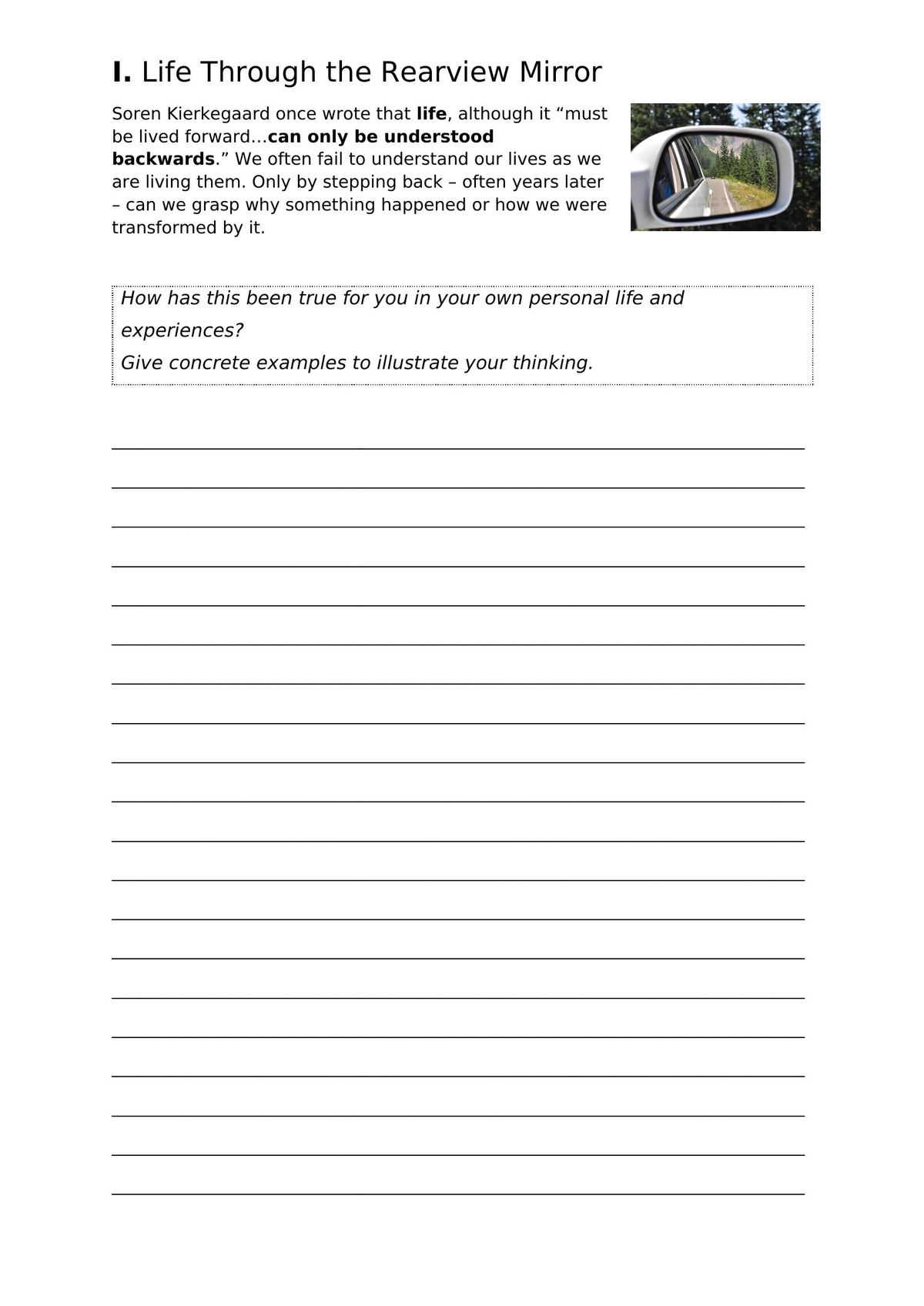
The unit works from the inside out. It opens not with history but with Kierkegaard's line that life must be lived forwards and can only be understood backwards, and asks students where that has been true in their own lives. Only then does it ask whether the same holds for history, and whether certainty is harder to reach about the recent or the distant past. They feel the problem before it is named.
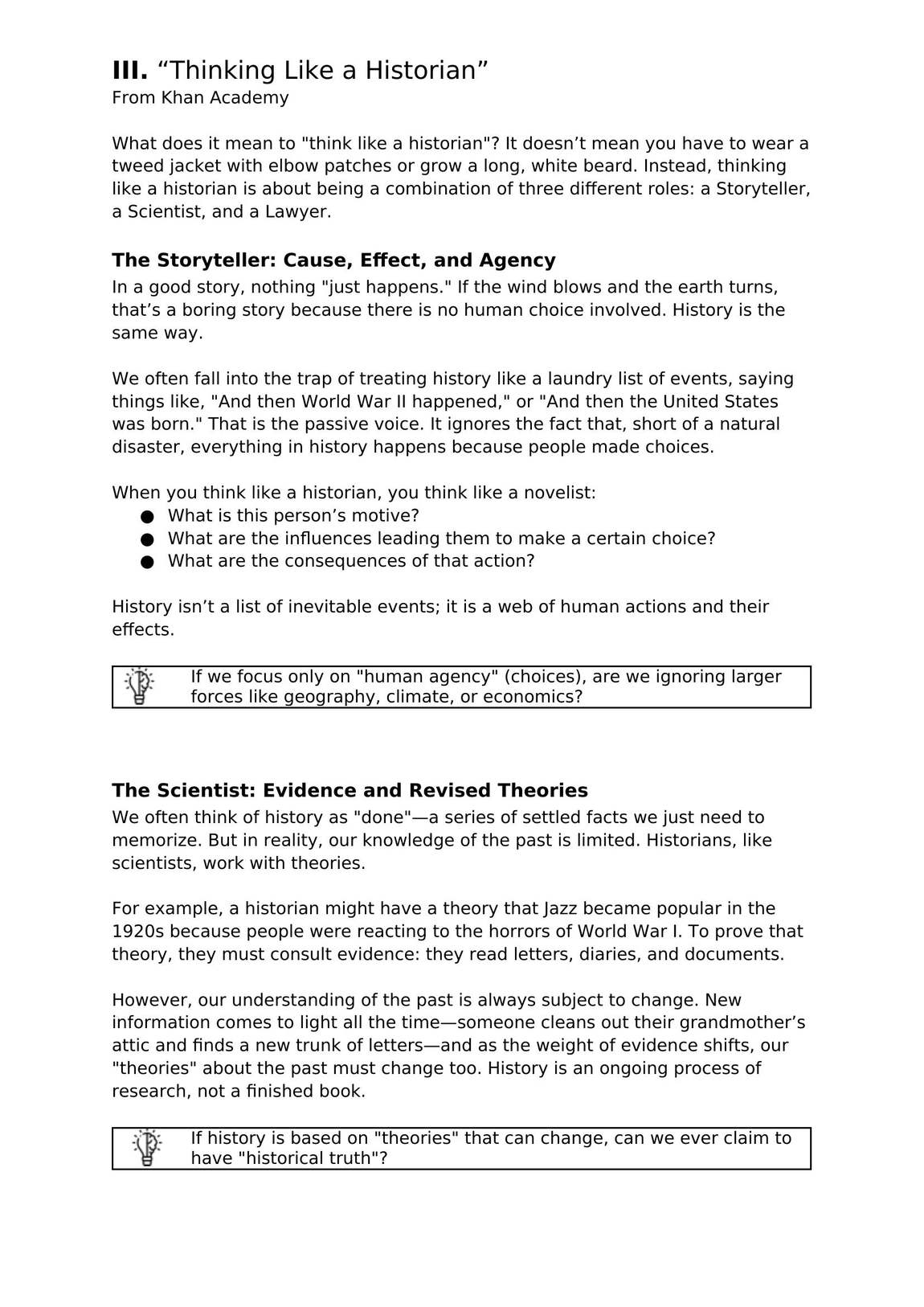
The middle builds the vocabulary — the historian as storyteller, scientist and lawyer, each role carrying a knowledge question that undercuts it. If we focus only on human agency, are we ignoring geography and economics? If history rests on theories that change, can we claim historical truth at all? If historians set out to convince, is history persuasion rather than fact?
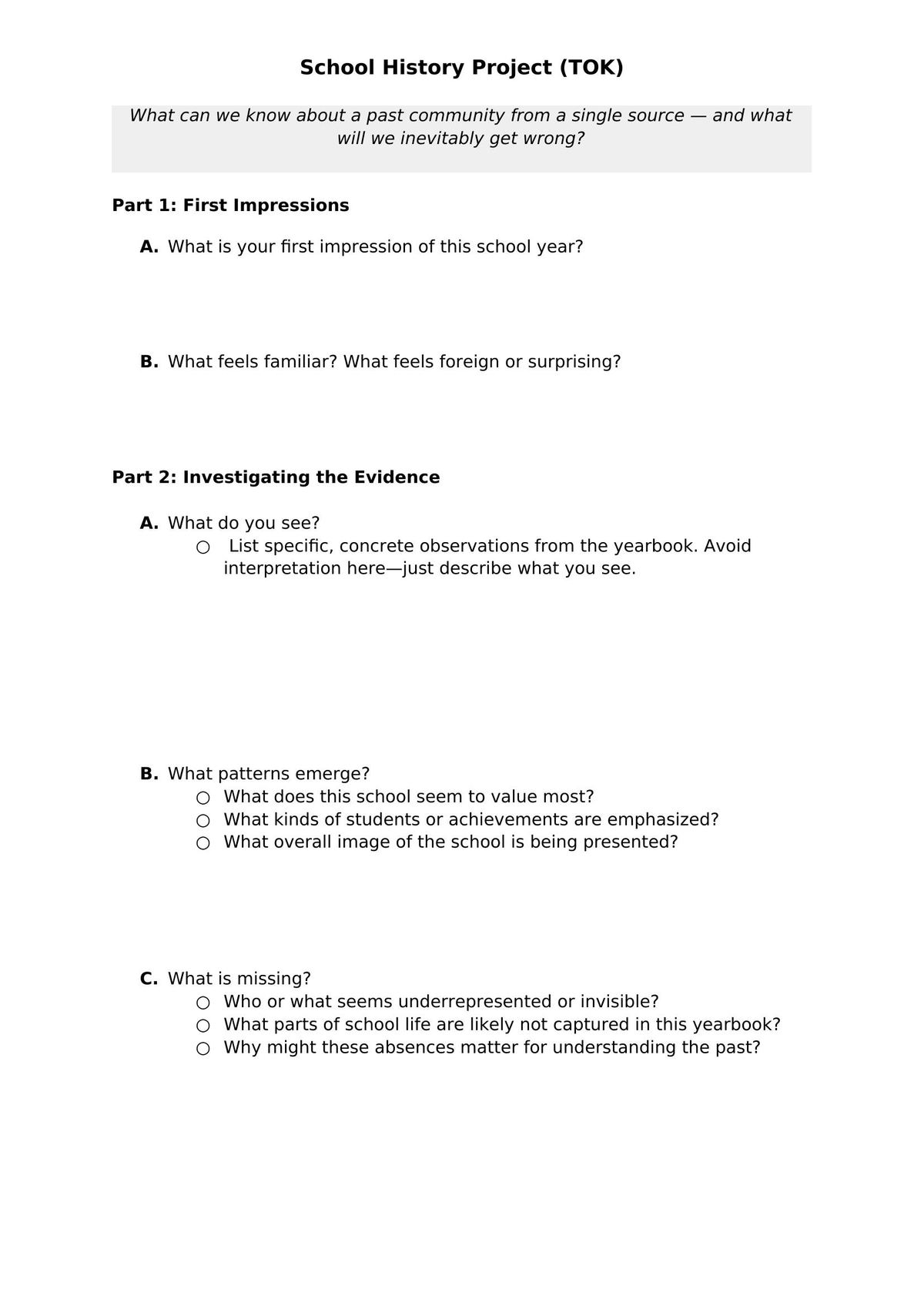
Then the move the unit is really built for: students analyze their own school's yearbook as a primary source. They describe before they interpret, name what the source emphasizes, and — hardest of all — name what is absent. They build a historical claim from three pieces of evidence, then construct a competing interpretation reusing at least two of the same pieces. The final reflection asks how their membership of the school community both helps their reading and makes it less reliable.
That is the point where the abstraction collapses. The student is not evaluating a distant historian's bias; they are the biased historian, working on a community they belong to, on evidence they are inside of.
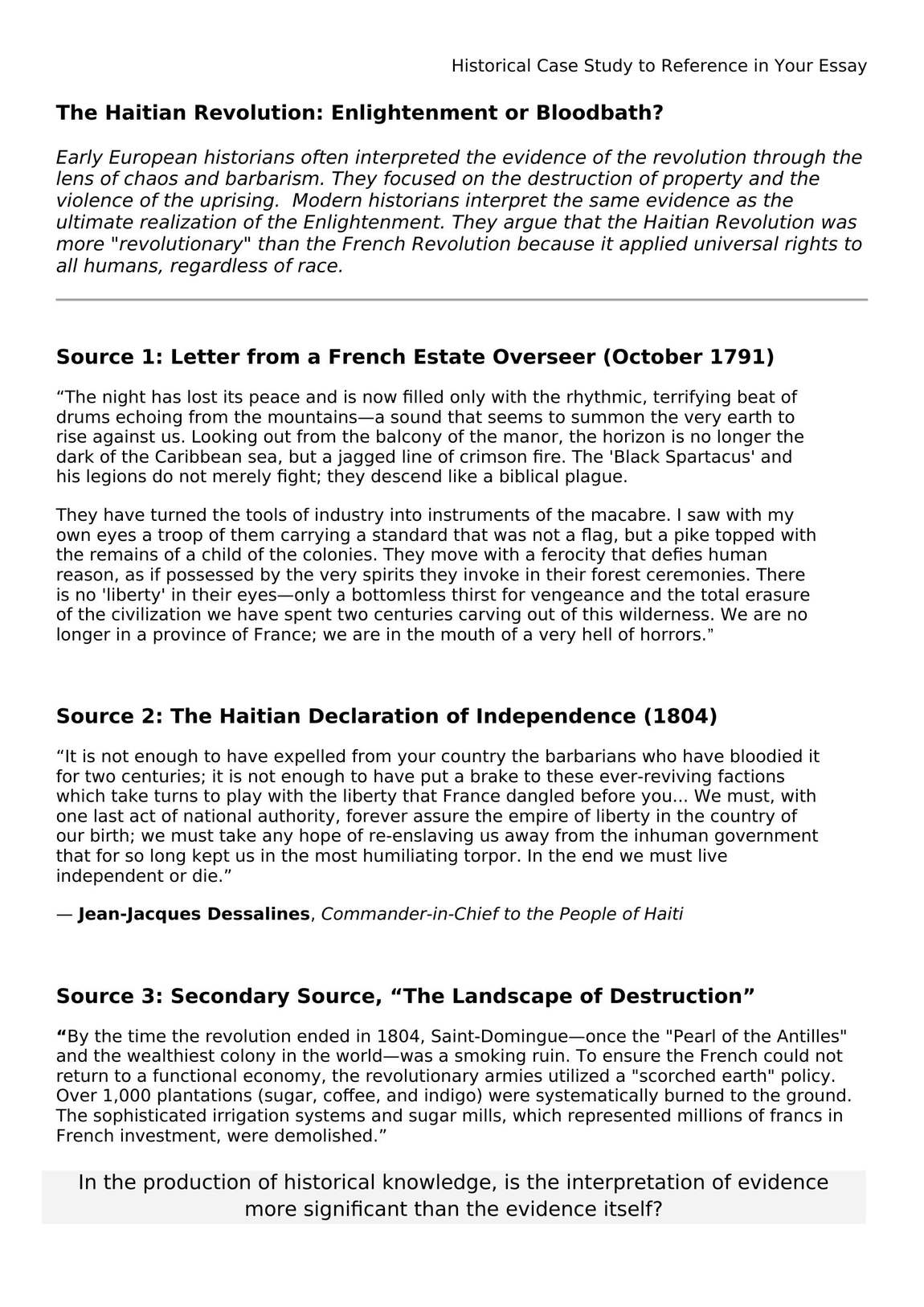
The same move recurs across the unit: the same evidence, read two ways, with both readings supportable. It is the through-line from the yearbook to the Haitian Revolution.
What's in it
- Four formative activities — Life Through the Rearview Mirror; an Intro to History video response; Thinking Like a Historian, with the storyteller, scientist and lawyer roles set out in full; and History as a Debate, ending in visual notes on what history is and is not
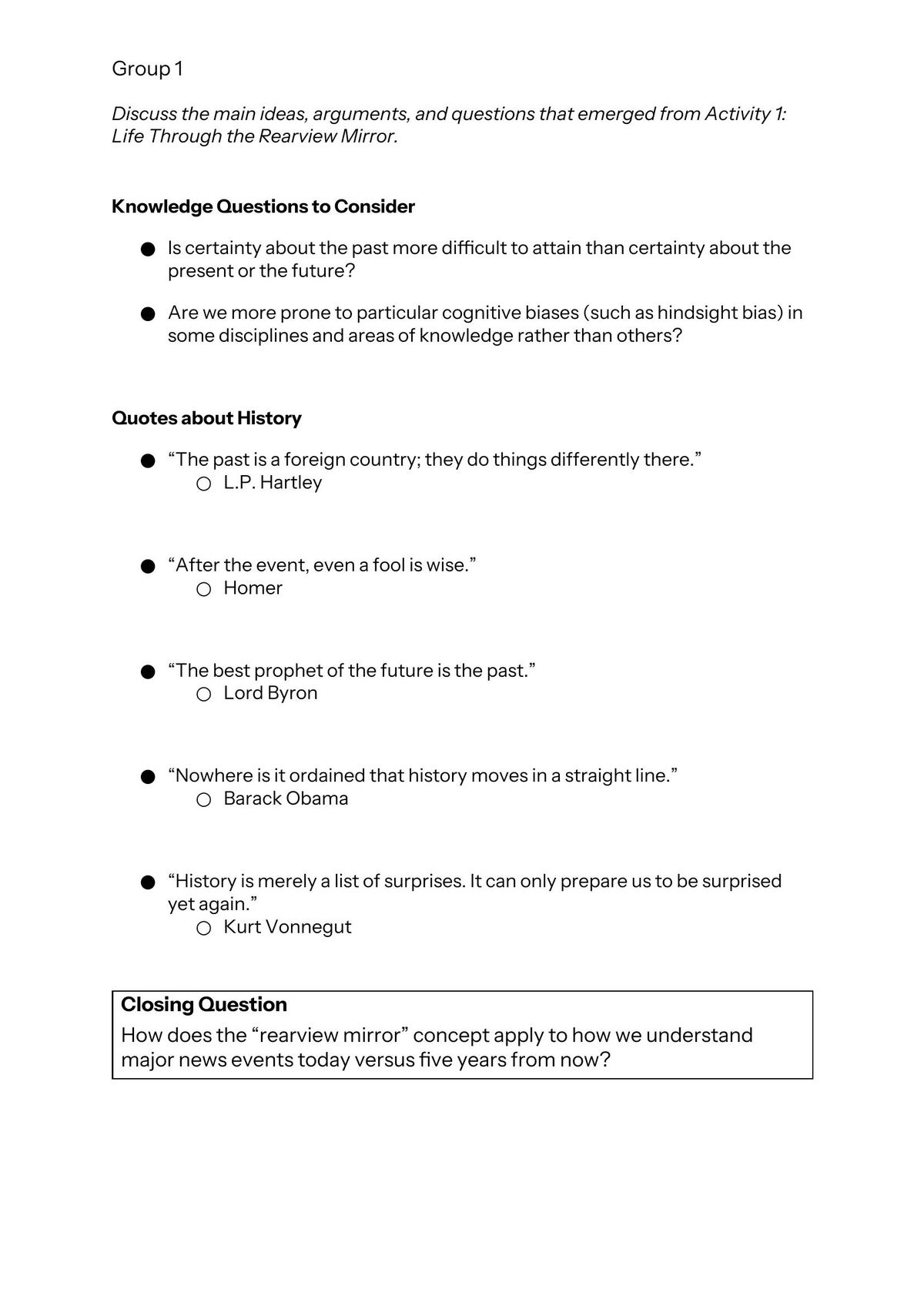
- A Socratic seminar in four groups, each with its own knowledge questions, a bank of five quotations from Carr to Achebe to Vonnegut, and a closing question pulled into the present — deepfakes and historical fact, cancel culture and historical empathy, who the historians of the 2020s will center
- An outer circle tracker — Strong Arguments, Excellent Builds, and I Would Have Said, so the students who aren't speaking have something to do that isn't waiting
- The school history project — seven parts working a yearbook from first impressions through competing interpretations to corroboration and bias
- The summative essay — the Haitian Revolution as Enlightenment or bloodbath, with three sources: an overseer's letter of 1791, the 1804 Declaration of Independence, and a dry secondary account of a thousand burned plantations. The prompt asks whether interpretation matters more than evidence in producing historical knowledge
Who it's for
DP Year 1 Theory of Knowledge, as the History area of knowledge unit. It runs across five lessons and everything is in one document — formative, seminar, project and summative — so there is nothing to assemble.
Two things you'll want to supply: the two videos it responds to are named in the document but not embedded, and the yearbook project needs a yearbook, ideally one twenty or thirty years old from your own school archive. The older the better; the strangeness is the material.
The Haitian summative uses the same five-box architecture as Two Answers to the Same Question — claim, examples, limitation, reconciliation, implications — so if you run both, students meet one essay structure across two areas of knowledge rather than learning a new one each time.
Take it
Free One document · 31 pages · editable or print-readyThe Word version is editable, so you can swap the case study or the quotation banks for your own. If you run the yearbook project I'd like to hear how it went — that's the part I'd most like to improve.