The Collection / Language & Literature
Language & LiteratureImage as Text
A full visual rhetoric unit built on one idea: that meaning accumulates across a set. It starts with a single photograph and ends with students defending claims about a cartoonist's whole body of work.
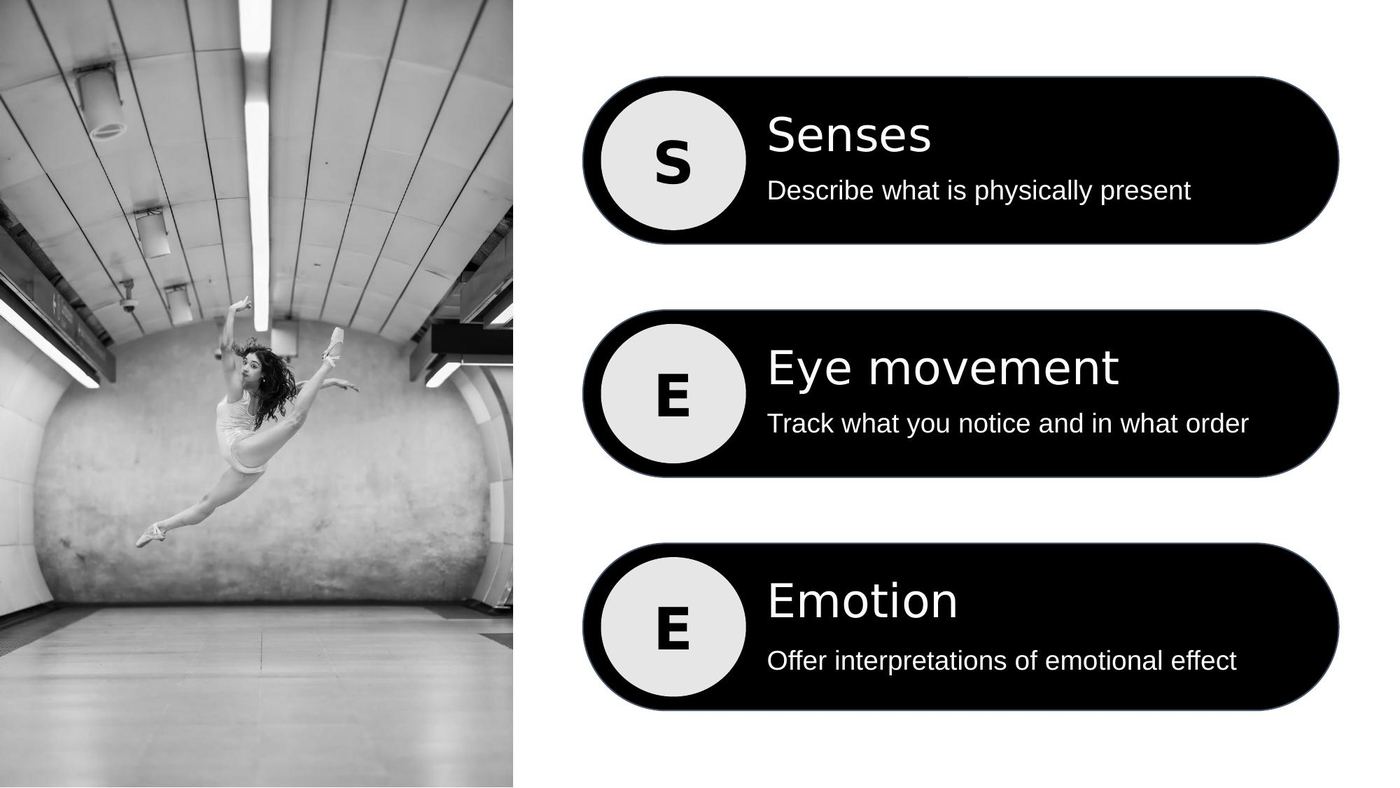
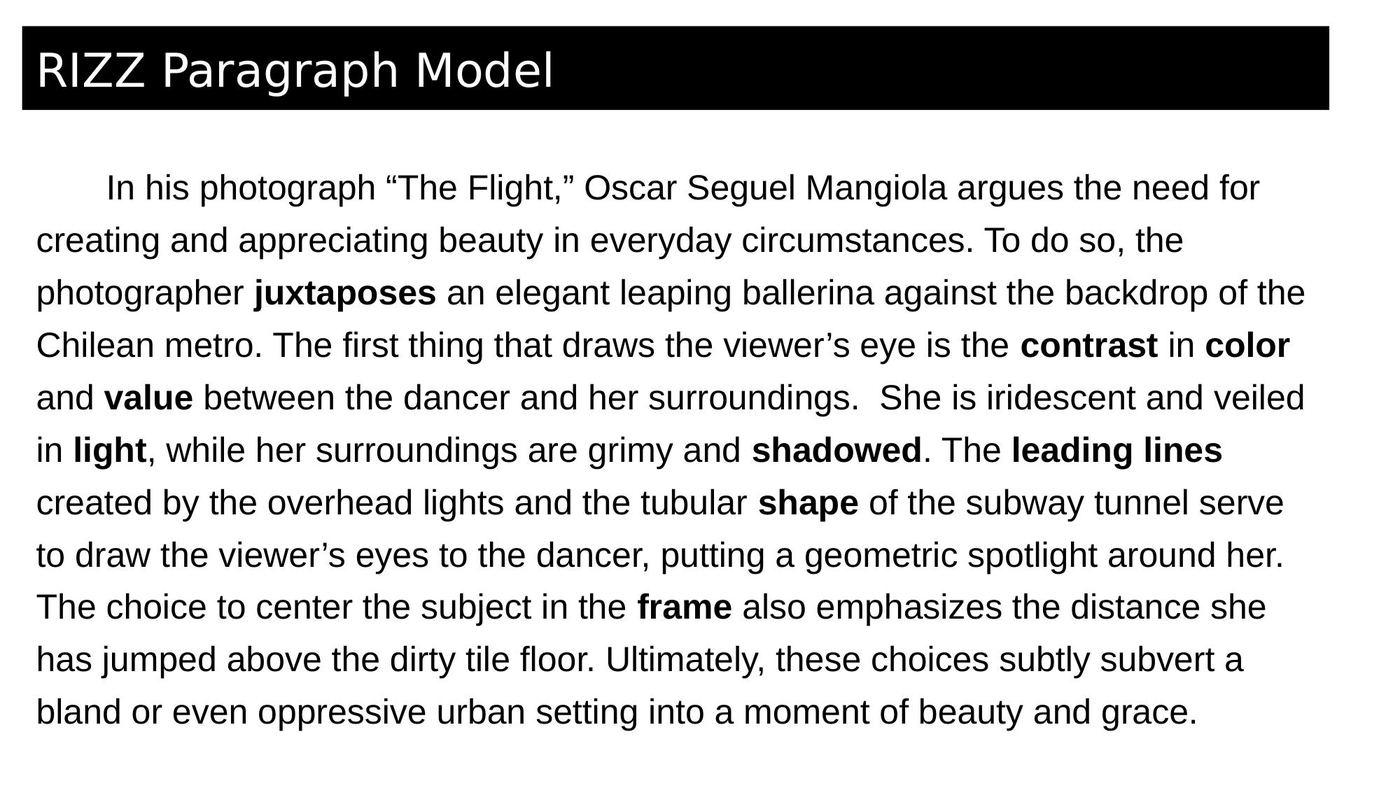
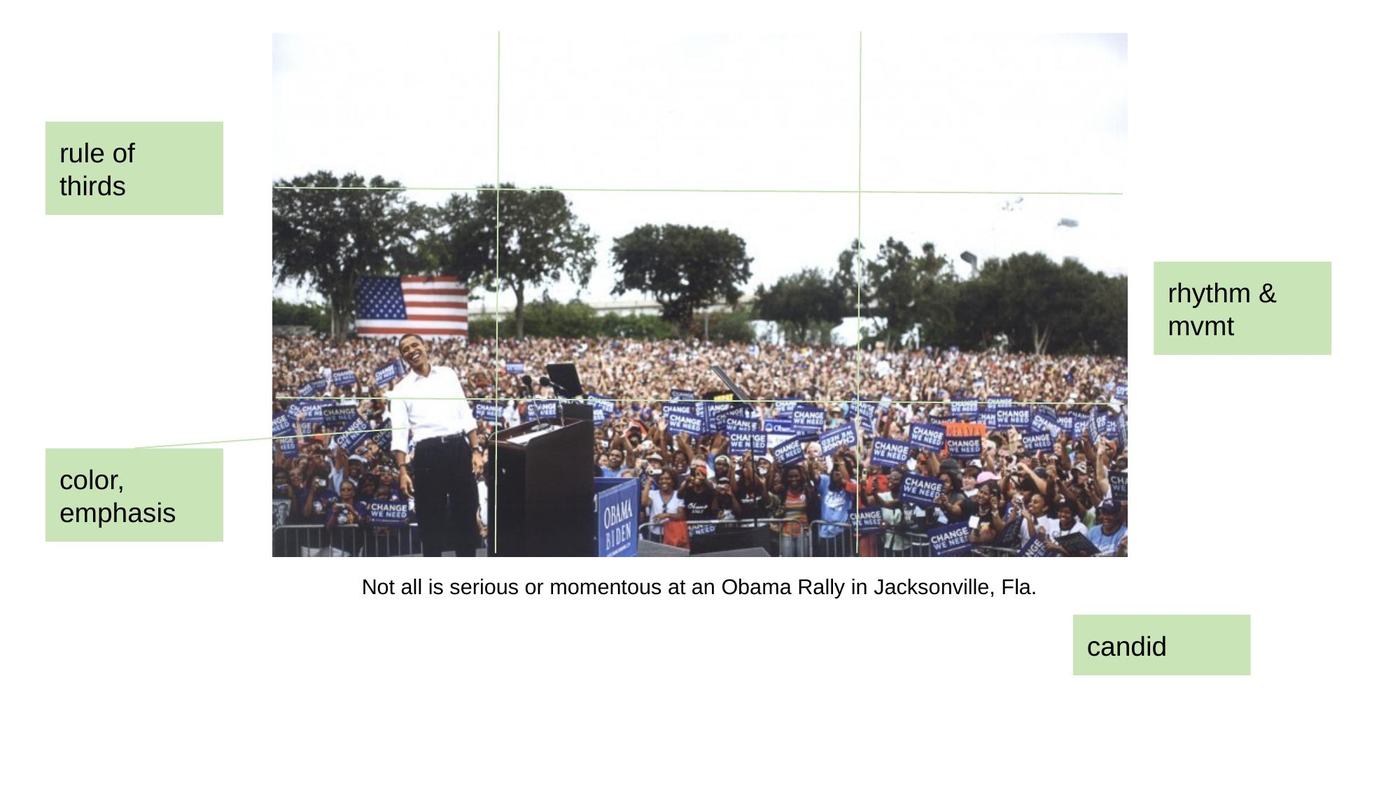
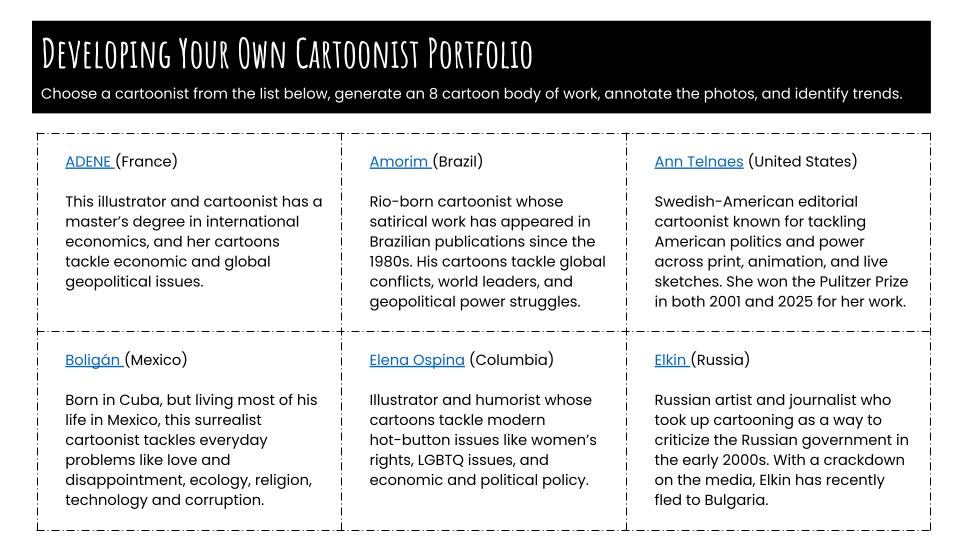
Five views of a hundred and eight slides
The problem
Students are fluent readers of images and terrible analysts of them. They can tell you instantly that a photograph feels sad, and then they stop — because the feeling arrived without any conscious steps, and there is nothing to describe. Handed a vocabulary list, they do the opposite thing and produce a catalog: the photographer uses leading lines and the rule of thirds and a low camera angle. Terms named, nothing argued.
The second problem is scope. A single image can be over-read almost infinitely, which is why so much visual analysis collapses into speculation. One photograph cannot tell you what a photographer believes.
What I changed
The unit slows the first response down with a routine. SEE — senses, eye movement, emotion — forces description before interpretation and, more usefully, makes students track the order in which they noticed things. That ordering is what later becomes an argument about composition, because a photographer who controls what you see first is doing something on purpose.
Vocabulary arrives second, never first, and it arrives by comparison rather than by definition. Two images, one question — which one is texture? — then the answer with the reasoning attached. Students return to their original annotation afterwards and add the terms to what they already noticed, so the vocabulary attaches to a perception they actually had.
Then the whole unit widens twice. Photography moves from one image to a photo essay: the teacher models Damon Winter's Obama sequence, and groups take a Pulitzer-winning essay of their own. Cartoons move from one Hani Abbas cartoon to a body of eight by a single artist. Both halves teach that a set means more than its parts, which is the claim a single image can never support.
The trends table has three columns: the feature, how and to what effect the artist uses it, and — the one that does the work — the exceptions.
That third column is what separates an argument from a generalization. A student who claims Hani Abbas uses negative space to convey the emptiness of war has to then find the cartoons where he doesn't, and account for them. It's the same move as a limitation paragraph in a TOK essay, arriving in a form students don't recognize as writing.
The cartoonists are the point
The whole-class artist is Hani Abbas, a Syrian-Palestinian cartoonist who grew up in the Yarmouk refugee camp outside Damascus, fled in 2012, and now works from Switzerland. Students then choose from six working cartoonists — ADENE in France, Amorim in Brazil, Ann Telnaes in the United States, Boligán in Mexico, Elena Ospina in Colombia, and Elkin, who took up cartooning to criticize the Russian government and has since fled to Bulgaria.
Nobody has to give a speech about press freedom. The biographies carry it, and a student building a portfolio of Elkin's work finds out why he left.
The quiz
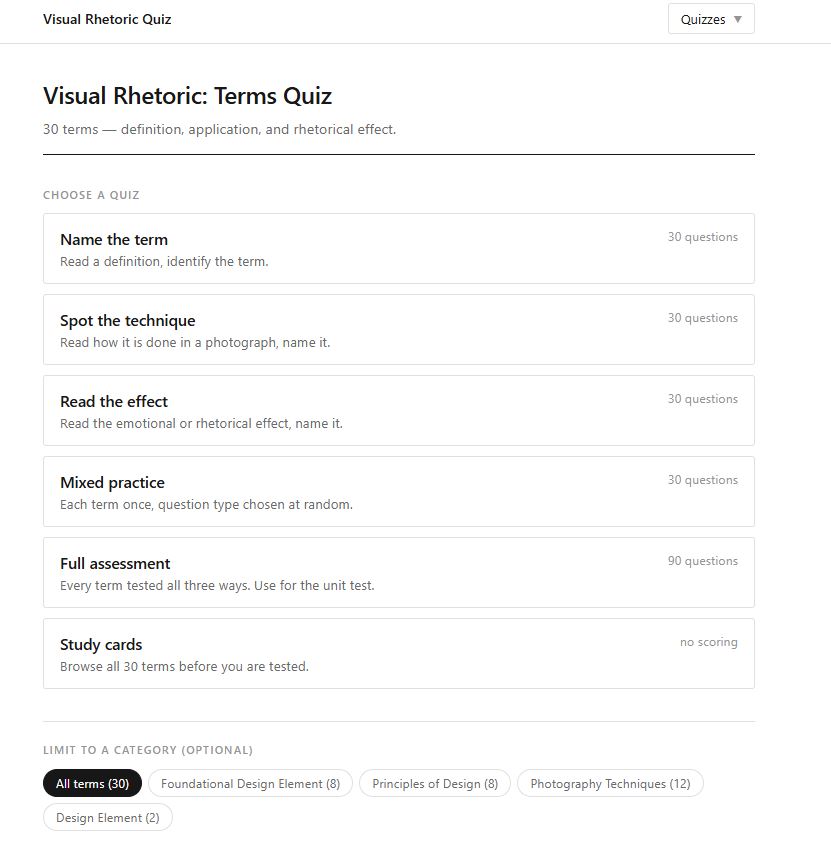
Thirty terms across design elements, design principles and photography technique, built as a single HTML file that runs in any browser with no account and no data stored. Its three question types are a deliberate ladder: name the term from a definition is recall, spot the technique from a description of a photograph is application, and read the effect — given only the emotional or rhetorical result, name the choice that produced it — is analysis. The full assessment runs every term all three ways, ninety questions, which makes a serviceable unit test.
What's in it
- The photography half — the SEE routine modeled on an award-winning photograph, a first-impressions annotation activity with two rounds of partner exchange, the design terms taught by comparison, sixteen photography techniques, the RIZZ paragraph model worked in full, and the photo essay project
- The political cartoon half — Hani Abbas as the whole-class artist with a fully annotated cartoon, the artist trends table, six cartoonists to choose from, the eight-cartoon portfolio brief, and a gallery walk with an exit card that asks for three similarities to photo essays, two differences, and one connection to your first literary work
- The terms quiz — thirty terms, six modes, printable study cards, runs offline
Who it's for
Written for DP Year 1 Language & Literature as the visual texts unit, and it works from Grade 9 upward with the writing expectations adjusted. It runs comfortably across two to three weeks.
Two things you supply: printed photographs for the first activity — the Sony World Photography Awards site is the source, and any twenty will do — and a decision about how much class time the cartoon portfolios get.
The photo essay half ends where Reading the Campaign Trail begins: students choose between the linear, by-feature and by-concept structures, and that resource shows all three finished at two levels. Paper 1 in Seven Stations gives the timings for the exam itself.
Take it
Free Whole unit · copies to your own Drive · quiz runs anywhereThe deck copies into your own Drive, editable — swap the cartoonists, cut the halves you don't need. The quiz is a single file: open it, or save it and put it on your LMS.